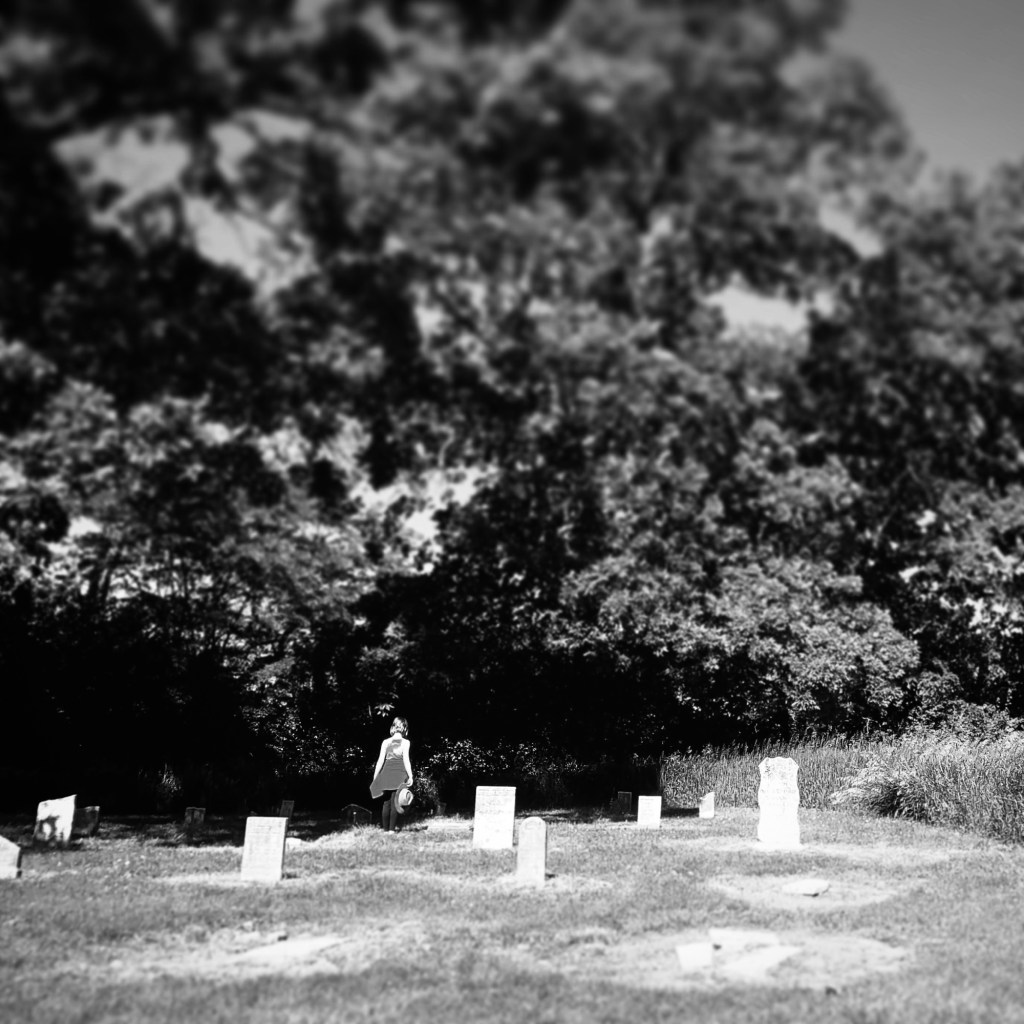
It all happens between two chiseled numbers.
A lifetime of heartache, drama, joy, milestones, and mundane tasks—-all represented by a dash.
I’ve seen more headstones than I can count.
I used to read them on walks through the town cemetery when I was in high school, stopping at familiar stones to rest on a nearby bench.
Images of them from decades of genealogical work fill my phone, and we’ve stopped at more old cemeteries than I could possibly remember.
That’s a lot of dashes.
As a Christian, I know death is not the end: the dash only ends here.
As a historian, I know what happens in between those numbers represents innumerable actions and consequences stretching far into the past and the future.
As a parent, I know my dash will echo through my children and grandchildren, impacting people I will never know and who will never know my name.
And like many of you who have strolled through a graveyard, I know that one day, it’ll be my turn.
A humbling thought.
You see, at the root of historical literacy is historical empathy—and at the root of historical empathy is humility. This is the exact posture we should have when approaching the past and the people who lived there:
Their dash matters, too.
Their family gatherings, holiday memories, education, children, weddings, heartbreaks, and every detail of their daily lives are all summed up in that little dash.
Just like yours, and mine.
I don’t know what you’ll do with your dash.
I’m not always sure I’m a good steward of mine.
But I do know it’s shorter than we think.
{Psalm 90:12}

 The Homeschool Historian